
How 3D Scanning Helps PPF Shops Get New Vehicle Patterns
The customer wants paint protection film this week.
Your installer checks the software.
The pattern is not available yet.
This situation is becoming more common for PPF shops around the world. New vehicle models, regional trims, facelift versions, EV platforms, performance packages, and limited editions are entering the market quickly. For a shop that depends on accurate pre-cut patterns, one missing vehicle pattern can delay a job, lose a booking, or force the installer into a higher-risk workflow.
For PPF shops, new vehicle pattern availability is no longer just a software issue. It is a business issue.
A shop with faster access to accurate pattern data can respond to new customers faster. It can protect new vehicles earlier. It can reduce unnecessary hand trimming. It can also build more trust with EV and luxury vehicle owners who expect a clean, precise, and professional result.
This is where 3D scanning becomes valuable.
3D scanning helps turn a physical vehicle into usable digital data that can support faster and more accurate PPF pattern development.
For PPF shops, window tint shops, wrap shops, and automotive detailing businesses, this is not only about using advanced equipment. It is about building a stronger workflow for new vehicle coverage, pattern accuracy, and long-term competitiveness.

Why New Vehicle Patterns Are a Real Challenge for PPF Shops
The automotive market is moving faster than ever. EV adoption continues to grow, new model launches are more frequent, and manufacturers often release different trims for different regions. According to the International Energy Agency, electric car sales exceeded 20 million globally in 2025, showing how quickly new vehicle platforms are entering the road market. This matters because more new vehicles create more demand for updated PPF pattern data.
For a PPF shop, two cars may look similar from a distance but still require different patterns. A small change in bumper shape, headlight position, hood edge, charging port location, camera placement, or trim design can affect fitment.
A new vehicle pattern may be needed because of:
→ New bumper design
→ Different sensor or camera layout
→ Changed headlight, hood, grille, trim, or charging port position
These differences may look small to the customer, but they can create real installation problems for the shop.
If the pattern is too short, the customer may see poor coverage. If the pattern is too long, installation may create tension or require extra trimming. If the pattern does not match the panel shape, the installer may spend more time stretching, correcting, or recutting film.
A modern PPF shop cannot rely only on visual similarity between vehicles. Accurate pattern data matters.
What Happens When a Shop Does Not Have the Right Pattern?
When the correct pattern is missing, the shop usually has three choices.
It can wait for the pattern.
It can modify an existing pattern.
It can manually cut the film on the vehicle.
Each option has a cost.
Waiting may cause the customer to leave. Modifying an existing pattern may work for small differences, but it can also create coverage problems. Cutting manually on the vehicle may solve an urgent job, but it increases labor time, installer pressure, and paint damage risk.
A missing pattern does not only delay installation. It can reduce customer confidence and increase the risk of costly rework.
This is especially important for new car owners. A customer with a brand-new EV or luxury vehicle may not be comfortable with excessive hand trimming on the paint. They expect a controlled process, clean edges, and a professional explanation of how the shop will protect the vehicle.
If the shop cannot provide a confident answer, the customer may choose another installer.
Lost Bookings and Slower Conversion
When a customer asks for PPF on a new vehicle, timing matters. Many new car owners want protection before the first highway trip, before winter road conditions, or before daily commuting creates stone chips and scratches.
If the shop says, “We do not have the pattern yet,” some customers may wait.
Others will not.
For high-value customers, speed can influence trust. A shop that can respond quickly to new vehicle data requests may look more professional than a shop that can only say no.
Pattern availability can directly affect booking conversion.
Higher Installation Risk
Using the wrong pattern can create several problems. The film may not align with panel edges. Sensor openings may be inaccurate. Headlight curves may not match. Edges may be too short for proper coverage or too long for safe installation.
This can increase installation risk and reduce final quality.
On complex panels, even a few millimeters can matter. A bumper with cameras, radar zones, parking sensors, vents, and strong curves needs accurate pattern logic. Guesswork increases the chance of visible errors.
More Hand Trimming
Hand trimming is sometimes necessary in PPF installation, especially for custom work. However, relying on hand trimming because of poor pattern availability is not ideal.
More hand trimming means more time, more pressure on the installer, and more risk near painted edges.
The more a shop must correct on the vehicle, the more the job depends on emergency skill instead of a controlled workflow.
More Material Waste
PPF material is expensive. When a pattern does not fit, the shop may need to recut a panel. If the mistake happens on a large hood, bumper, fender, or full-body panel, the cost can be significant.
Material waste also affects scheduling. A failed cut can delay the installer, push back the next appointment, and reduce daily production efficiency.
For high-cost PPF jobs, one failed panel can damage the profit of the entire job.
What Is 3D Scanning for PPF Pattern Development?
3D scanning is a process that captures the shape, curves, edges, and surface details of a physical object. In the automotive film industry, it can help capture vehicle panel geometry so that the data can support digital PPF pattern development.
In simple terms, 3D scanning helps convert a real vehicle into digital information.
That digital information can then support pattern creation, pattern correction, software updates, test cutting, and final installation workflow.
A typical process may look like this:
→ Vehicle scanning
→ Data processing
→ Pattern development
→ Test cutting and fitment verification
After this, the pattern can be added or improved inside the cutting software so the shop can prepare film more efficiently.
3D scanning helps turn a physical vehicle into usable digital pattern data.
This does not mean the scanner does everything automatically. Scanning is one part of the workflow. The scan data still needs to be processed, interpreted, converted into patterns, tested, and refined.
The value of 3D scanning is strongest when it is connected to a complete pattern development workflow.
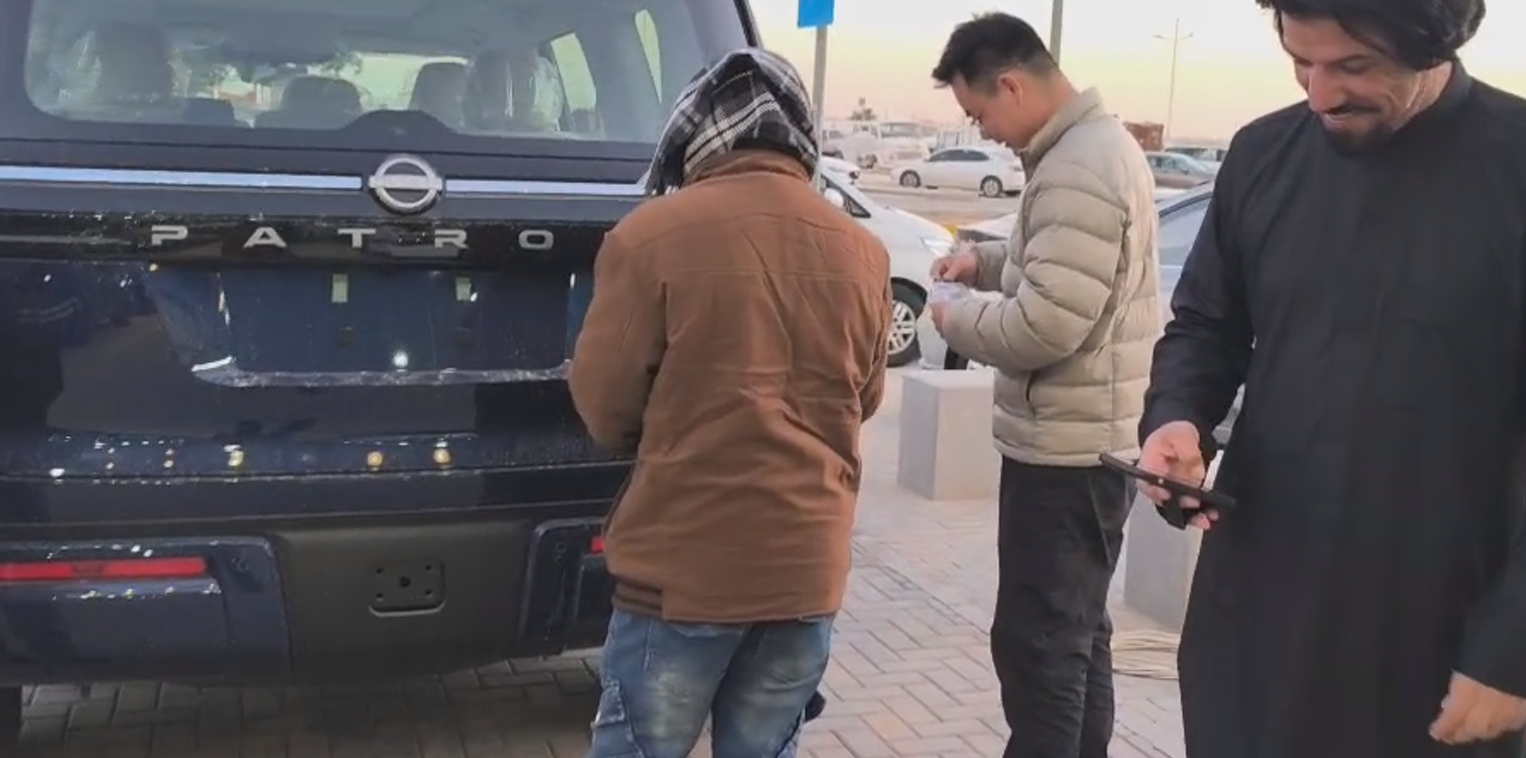
How 3D Scanning Helps Shops Get New Patterns Faster
The traditional process of getting a new PPF pattern can be slow. It may depend on manual measurement, local testing, software team availability, or waiting for someone else to scan or develop the data.
3D scanning gives shops a faster way to capture vehicle information when the actual vehicle is available.
This matters because many PPF opportunities are time-sensitive. New car owners often want protection immediately after delivery. Luxury and EV customers may also contact multiple shops before deciding where to book.
A shop that can help capture new vehicle data has a stronger response than a shop that only waits.
The shop that can help capture new vehicle data can respond faster than shops that only wait for patterns to appear.
Faster Data Collection
Manual measurement can be slow and inconsistent, especially for complex vehicle panels. It may depend heavily on installer experience and can be difficult to standardize.
3D scanning can capture panel shape and surface information more efficiently. For complex areas such as bumpers, headlights, charging ports, mirrors, and trim zones, this can help reduce the time needed to understand the panel structure.
This does not remove the need for skilled technicians. It gives them better data to work with.
Better Accuracy for Complex Panels
Modern vehicles are not flat. Front bumpers often include complex curves, sensor openings, vents, radar zones, and sharp transitions. EVs may have smooth front ends, charging ports, flush handles, and large painted surfaces. Luxury vehicles may have special trim packages and regional appearance differences.
These details are difficult to capture well with simple measurement.
3D scanning can support more accurate data collection for these areas. This is especially valuable when the pattern must fit cleanly around detailed shapes.
Faster Response to New Cars
When a new vehicle arrives in a local market, the first shops to serve it have an advantage. This is especially true for EVs, luxury vehicles, high-end SUVs, and enthusiast models.
If a shop can scan the vehicle and help create or improve pattern data, it may be able to respond to new model demand faster.
This can also build reputation. Customers remember the shop that was able to help when others could not.
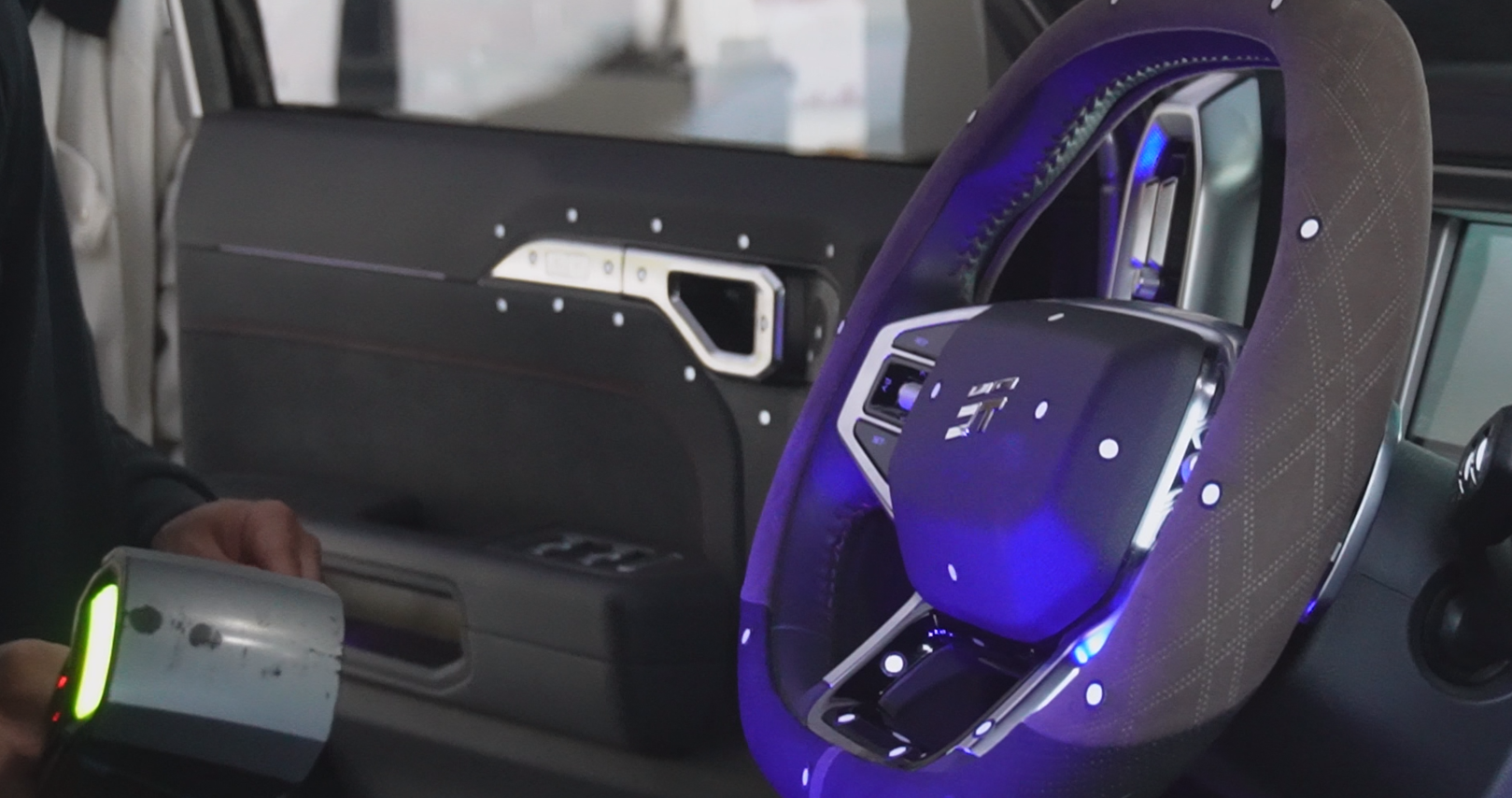
Stronger Communication with Software Teams
When a shop can provide clear vehicle information and high-quality scan data, software teams can work more efficiently. Instead of only receiving photos or rough measurements, they can receive more structured data to support pattern development.
This can improve communication between the shop and the pattern provider.
For shops working with YINK, this is especially relevant because YINK provides PPF cutting software, plotters, and 3D scanner solutions for vehicle data workflow. YINK’s internal product information describes its scanner solutions as tools for accurate vehicle data collection and new vehicle pattern support.
Why 3D Scanning Matters More for EVs and Luxury Vehicles
EVs and luxury vehicles are often the most demanding categories for PPF shops.
The customers usually expect a premium finish. The vehicles often have modern body designs. The panels may include cameras, sensors, charging ports, gloss black trim, flush handles, and large painted surfaces. Many of these areas are highly visible.
EV and luxury vehicle owners often expect a cleaner finish, faster service, and more precise coverage.
This makes accurate pattern data more valuable.
A poor edge on a basic daily driver may be overlooked by some customers. A visible fitment issue on a premium EV, luxury SUV, or sports car may create complaints, reviews, or refund requests.
This is why shops serving premium customers need a workflow that supports precision before the film is installed.
EV Design Details Increase Pattern Complexity
EVs often have design features that affect PPF installation.
A smooth bumper may have fewer visible breaks, which makes coverage and edge placement more important. A charging port area may need careful coverage planning. Cameras and sensors must not be blocked or poorly cut around. Gloss black trim may scratch easily and show defects clearly.
These details make pattern development more important.
For a PPF shop, the question is not only whether a pattern exists. The question is whether the pattern supports the level of finish the customer expects.
Luxury Vehicle Customers Have Higher Expectations
Luxury vehicle owners often care about small details. They may inspect edges, seams, wrapped areas, corners, and trim alignment. They may also compare your work with photos from other premium shops.
For these customers, “close enough” may not be acceptable.
3D scanning can help build better pattern data for shops that want to serve this market more consistently.
3D Scanning vs Manual Pattern Making
Manual pattern making still has value. Experienced installers understand film behavior, edge choices, stretch control, and real-world installation limits. However, manual work alone can be difficult to scale when new models arrive quickly.
3D scanning gives shops a more structured way to support repeatable data development.
| Comparison Point | 3D Scanning | Manual Pattern Making |
|---|---|---|
| Data Collection | Captures vehicle shape digitally | Relies on manual measurement and installer experience |
| Accuracy | Better for curves and complex details | More dependent on skill level |
| Speed | Faster for repeatable data development | Slower for new vehicles |
| Risk | Less need for cutting directly on paint | Higher hand-trimming risk |
| Scalability | Data can be reused and shared | Harder to standardize |
| Best Use Case | New models, EVs, luxury vehicles, complex panels | Custom one-off jobs or emergency adjustments |
Manual skill still matters, but 3D scanning gives shops a more scalable way to handle new vehicle data.
The strongest workflow is not scanner versus installer. It is scanner plus installer.
The scanner helps capture data. The software helps turn data into usable patterns. The installer verifies fitment and provides feedback. Together, this creates a better system.
How 3D Scanning Can Reduce Installation Risk
PPF installation risk often increases when the shop has to guess.
A missing or inaccurate pattern creates uncertainty. The installer may need to stretch more than expected, trim more on the vehicle, or adjust coverage during installation. This can slow the job and increase the chance of mistakes.
3D scanning helps reduce that uncertainty by improving the quality of vehicle data.
The less a shop needs to guess, the more consistent its installation results become.
Less Guesswork
When accurate scan data is available, pattern developers can better understand the shape of the panel. This helps reduce dependence on visual estimation.
For complex bumpers, mirrors, hoods, and trim areas, less guesswork can lead to better pattern decisions.
Better Edge Planning
Edge planning is one of the most important parts of PPF pattern quality. A pattern must balance coverage, installability, and long-term edge stability.
If the edge is too short, the customer may see exposed paint. If the edge is too long, the film may be difficult to install or may lift later.
3D data can help support smarter edge planning, especially around curves, corners, sensors, badges, and charging ports.
Less Cutting on Paint
Many customers choose pre-cut PPF because they want to reduce cutting directly on painted surfaces. This is especially true for new EV and luxury vehicle owners.
Better patterns can reduce the need for risky hand trimming.
This does not eliminate installer judgment, but it can reduce unnecessary cutting on the vehicle.
More Repeatable Results
Once a pattern is developed and tested, it can be reused. This is where 3D scanning can create long-term value.
A shop may scan one vehicle, support one pattern, and then benefit future jobs using the same or improved data.
A reliable scanning workflow can turn one vehicle into repeatable value for future installations.
How 3D Scanning Helps Shops Save Time and Material
PPF shops often focus on revenue, but profit depends on controlling labor time and material waste.
A job that looks profitable on paper can lose margin if the shop has to cut the same panel twice, spend extra hours correcting fitment, or handle customer complaints after installation.
3D scanning can help reduce these problems by improving pattern development before production.
Potential workflow benefits include:
→ Fewer failed test cuts
→ Less unnecessary hand trimming
→ Faster preparation for new vehicle jobs
These benefits are especially important for high-cost film applications such as full-front PPF, full-body PPF, and colored PPF.
For high-cost PPF jobs, saving one failed panel can already make the workflow more profitable.
This is not about claiming that a scanner eliminates all waste. It does not. Installation skill, software processing, pattern testing, and film handling still matter.
The point is that better data can reduce avoidable waste.
How 3D Scanning Builds Competitive Advantage for PPF Shops
A 3D scanner is not only a technical tool. For the right shop, it can become part of the business strategy.
A shop with scanning capability can respond faster to new vehicle models. It can work more closely with software providers. It can serve rare or regional models more confidently. It can also build a more technical brand image.
A shop with scanning capability is not only installing film. It is helping build the data infrastructure behind better PPF service.
This can matter in competitive markets.
Many shops can say they install PPF. Fewer shops can say they help capture new vehicle data, support pattern development, and work with a digital workflow designed for new vehicle coverage.
That difference can help attract higher-value customers, especially EV owners, luxury car owners, and local enthusiasts with newly released vehicles.
Faster New Vehicle Response
When a new vehicle appears in the local market, customers may start searching for PPF immediately. A shop with scanning capability may be better prepared to respond.
Even if the final pattern still requires development, the shop can show customers that it has a process.
This builds confidence.
Stronger Technical Brand Image
PPF customers often judge a shop by visible quality, reviews, portfolio, and communication. However, technical capability can also influence trust.
A shop that can explain scanning, pattern development, cutting workflow, and fitment verification may appear more professional than a shop that only discusses film price.
Better Relationship with Software Providers
Pattern software companies need accurate vehicle data. Shops need accurate patterns. When a shop can provide useful data, the relationship can become more collaborative.
This can help the shop become a valuable regional data partner, especially in markets where certain vehicles arrive earlier than in other regions.
How YINK Supports 3D Scanning and Pattern Development
YINK provides PPF cutting software, plotters, and 3D scanner solutions for shops that want to improve vehicle data workflow.
For shops that frequently meet new vehicle models, YINK’s scanner solutions can support vehicle data collection and new pattern development. YINK product information lists FreeScan UE11 and COMBO 3D Scanner solutions, with accuracy specifications up to 0.02 mm for high-precision measurement use cases.
YINK also supports PPF shops with software and plotters, allowing data, pattern preparation, cutting, and installation workflow to work together more smoothly.
This matters because new vehicle patterns are not only about scanning. A useful workflow needs several parts working together:
→ Accurate vehicle data capture
→ PPF pattern development and adjustment
→ Software and plotter output for installation
YINK’s internal information also describes a program where customers who scan and upload new vehicle model data may receive a reward for each new vehicle accepted, helping shops participate in data growth while keeping the database more updated.
For shops that frequently meet new vehicle models, 3D scanning can turn a pattern shortage problem into a data advantage.
This is especially useful for shops in fast-moving EV markets, luxury vehicle markets, and regions where new models arrive before pattern data is widely available.
When Should a PPF Shop Consider a 3D Scanner?
Not every PPF shop needs a 3D scanner on day one.
A small new shop with low order volume may benefit more from starting with reliable PPF cutting software, a compatible plotter, installation training, and strong local marketing. If the shop rarely handles new or uncommon vehicles, a scanner may not be the first priority.
However, a 3D scanner becomes more valuable when pattern speed and vehicle data coverage directly affect revenue.
A shop should consider 3D scanning if it regularly serves:
→ New EVs and luxury vehicles
→ Rare, regional, or newly released models
→ High-volume PPF customers with frequent pattern requests
It can also make sense for regional distributors, advanced PPF shops, and businesses that want to build a more technical brand position.
A 3D scanner makes the most sense when pattern speed, data accuracy, and new vehicle coverage directly affect shop revenue.
The investment should be connected to a real business goal. That goal may be faster pattern response, better premium customer service, stronger cooperation with a software provider, or entry into new vehicle data contribution.
Practical Workflow: From Vehicle Scan to PPF Installation
A reliable scanning workflow should be organized. The scanner itself is only one part of the process.
A practical workflow may look like this:
→ Step 1: Confirm the vehicle model, year, trim, and market version
→ Step 2: Prepare the vehicle surface and key panels for scanning
→ Step 3: Scan important panels, edges, sensors, trim, and detail zones
→ Step 4: Process the scan data and check quality
→ Step 5: Develop or adjust the PPF pattern
→ Step 6: Test cut and verify fitment on the vehicle
→ Step 7: Update the software pattern library
→ Step 8: Cut the film and install with installer feedback
Each step matters.
If the vehicle details are wrong, the pattern may be assigned incorrectly. If the panel is not prepared, scan quality may suffer. If the pattern is not tested, the shop may still face installation issues.
A reliable scanning workflow turns one vehicle into reusable pattern value for future jobs.
This is the real business value. The shop is not only solving one installation. It is helping create a repeatable asset.
Common Mistakes Shops Should Avoid
Mistake 1: Thinking the Scanner Replaces Installation Skill
A scanner does not replace installer skill.
It helps capture data, but the installer still needs to understand film behavior, surface preparation, tension control, edge finishing, and customer expectations.
A poor installer with a scanner can still produce poor results.
The scanner supports the workflow. It does not replace professional judgment.
Mistake 2: Scanning Without Vehicle Details
Before scanning, the shop should confirm the model year, trim, market version, bumper package, wheel arch design, sensor layout, and special appearance options.
Many vehicles look similar but use different exterior components.
If the shop records the wrong vehicle details, the scan data may become less useful for pattern development.
Mistake 3: Ignoring Panel Preparation
Surface condition can affect scanning and pattern work. Dirt, water, heavy reflections, blocked edges, temporary accessories, or open panels may create problems.
The shop should prepare the vehicle properly before scanning. This helps improve scan quality and reduces confusion during processing.
Mistake 4: Expecting Instant Perfect Patterns
3D scanning is powerful, but it is not magic.
Scanning captures data. That data still needs processing, pattern creation, testing, and correction. A first version may still need adjustment before it becomes a reliable shop-ready pattern.
The value of scanning comes from the full workflow, not from the scan file alone.
Mistake 5: Not Building a Feedback Loop
Installers should provide feedback after test cuts and real installations.
If an edge needs more coverage, if a sensor opening needs adjustment, or if a corner is difficult to install, that feedback can help improve the pattern.
A scanner helps create data, but installer feedback helps make the pattern practical.
A scanner is powerful, but the real value comes from the workflow around it.
Final Recommendation: Why 3D Scanning Matters for the Future of PPF Shops
The future of PPF is not only about film quality or installer skill. Those still matter, but the industry is becoming more data-driven.
New vehicle designs are becoming more complex. EV and luxury models are increasing customer expectations. Regional trims and new model launches are creating more demand for updated pattern data. At the same time, customers want faster service, cleaner edges, and less cutting on paint.
3D scanning helps shops respond to this shift.
It can support faster data collection, better pattern development, less guesswork, lower installation risk, and stronger service for new vehicle owners.
As vehicle designs become more complex and new models arrive faster, PPF shops that can support faster pattern development will have a stronger advantage.
A 3D scanner is not necessary for every shop immediately. But for shops that frequently handle new EVs, luxury vehicles, rare models, or high-volume PPF requests, it can become a serious competitive tool.
The future of PPF is not only installation skill. It is installation skill supported by better data.
For shops that want to grow beyond standard installation, 3D scanning can help turn new vehicle challenges into business opportunities.
FAQ
How does 3D scanning help create PPF patterns?
3D scanning captures vehicle panel shapes, curves, edges, and details. This data can support digital pattern development for PPF cutting software, helping shops prepare more accurate patterns for new vehicles.
Do all PPF shops need a 3D scanner?
Not every shop needs a 3D scanner immediately. It is more useful for shops that frequently handle new vehicles, EVs, luxury cars, regional models, or high-volume pattern requests.
Can 3D scanning reduce material waste?
Yes, 3D scanning can help reduce waste by improving pattern accuracy, reducing failed test cuts, and limiting unnecessary hand trimming or recutting. The final result still depends on software processing, pattern testing, and installer skill.
Is 3D scanning better than manual measurement?
For complex vehicles and repeatable pattern development, 3D scanning is usually more scalable and accurate. Manual skill still matters, especially during installation, pattern verification, and final fitment feedback.
How does YINK use 3D scanning for PPF data?
YINK provides 3D scanner solutions that support vehicle data collection and new pattern development. Shops using scanning equipment can help capture new vehicle data and support faster pattern updates in the software workflow.
References
The information in this article is based on public industry reports, official documentation, technical product information, and practical automotive film industry experience available at the time of writing.
References:
→ International Energy Agency. “Global EV Outlook 2026: Trends in Electric Cars.”
→ Grand View Research. “Paint Protection Film Market Size, Share & Trends Analysis Report.”
→ SEMA. “Automotive Aftermarket Industry Resources.”
→ IWFA. “Window Film Industry Resources.”
→ Official scanner manufacturer documentation, film manufacturer documentation, and regional vehicle regulations.
Data may vary by region, scanner model, vehicle type, installation process, software workflow, film brand, and market conditions.
Last reviewed: June 2026
Post time: Jun-16-2026


