
PPF Business Profit Margin Explained: Real Numbers for Shops
Why PPF Profit Margin Matters
Paint Protection Film, or PPF, is one of the most attractive services in the automotive aftermarket because it combines high customer value with strong job ticket potential. For PPF shops, window tint shops, wrap shops, and automotive detailing businesses, the real question is not only whether PPF is profitable. The better question is where the profit actually comes from.
PPF profit is usually created by several factors working together: material cost, installer labor, pattern accuracy, cutting waste, rework control, pricing strategy, and installation consistency. A shop can charge a strong price and still lose margin if panels fail, installers spend too much time trimming, or film is wasted because the workflow is not controlled.
Market demand also supports the opportunity. According to Grand View Research, the global paint protection film market was estimated at USD 502.55 million in 2024 and is projected to reach USD 726.63 million by 2030, with a CAGR of 6.6% from 2025 to 2030. Demand is real, but profit depends on execution.
What Is a Normal PPF Profit Margin?
For many professional PPF shops, a healthy gross profit margin often falls between 40% and 60%, depending on the job type, film brand, local labor cost, installer skill, and workflow efficiency. Smaller packages may be easier to control, while full-body installations can generate higher revenue but carry more operational risk.
The basic formula is simple. PPF profit margin equals selling price minus total job cost, divided by selling price, multiplied by 100. Total job cost should include film, installer labor, software or pattern access, cutting waste, failed panels, replacement material, shop overhead, consumables, and sales commission when applicable.
The biggest mistake new shops make is calculating only the film cost. In real operations, labor time and material waste often decide whether a PPF job is highly profitable or barely worth the schedule space. A job that looks profitable on material cost alone may become weak after two recuts, an extra installation hour, or a warranty correction.
Example 1: Front-End PPF Package
A common front-end PPF package may include the bumper, hood, front fenders, mirrors, and headlights. This type of package is often a strong entry point because customers understand the value clearly and the installation scope is easier to manage than a full vehicle.
A typical front-end package may sell for USD 1,500 to USD 2,500. Film material may cost USD 300 to USD 600, labor may cost USD 300 to USD 700, software, patterns, and consumables may add USD 50 to USD 150, and overhead allocation may add USD 150 to USD 300. These figures are practical estimates and can vary by region, vehicle size, film brand, shop labor rate, and installation process.
If the shop sells the job for USD 2,000 and the total job cost is USD 950, the gross profit is USD 1,050. The gross margin is 52.5%. This is why front-end packages are often profitable for PPF businesses. The ticket size is attractive, the job can be standardized, and the shop can train installers to repeat the process with consistent results.
Example 2: Full-Body PPF Installation
A full-body PPF installation has a much higher ticket price, but it also has higher operational risk. More panels mean more film, more labor hours, more alignment work, and more chances for dust, stretch marks, lifting edges, or rework.
A full-body job may sell for USD 4,500 to USD 8,000. Film material may cost USD 900 to USD 1,800, labor may cost USD 1,200 to USD 2,500, software, patterns, and consumables may add USD 100 to USD 300, and overhead allocation may add USD 400 to USD 800. These ranges should be treated as planning examples, not fixed market prices.
If a full-body job sells for USD 6,000 and the total cost is USD 3,200, the gross profit is USD 2,800. The gross margin is 46.7%. The margin can still be strong, but only if the shop controls workflow. One failed hood, bumper, or door can quickly reduce the actual profit. For full-body work, predictability is just as important as price.
Why Cutting Waste Has a Direct Impact on Profit
PPF is not a low-cost material. Every unnecessary recut reduces margin, and every failed panel consumes both film and installer time. A shop may look busy from the outside, but if rework is too high, the real profit can be much lower than expected.
Manual cutting may feel flexible, but it depends heavily on installer skill and time. It can also increase the risk of uneven edges, inconsistent results, and paint damage. For shops that want to scale, relying only on manual cutting can limit production capacity because senior installers spend too much time trimming instead of completing more paid work.
A professional pre-cut workflow helps shops improve profit by making each job more predictable. Accurate vehicle patterns, cleaner nesting, fewer failed panels, and less installation uncertainty can all support a better margin. This is where PPF cutting software becomes part of the business model, not just the production process.
Manufacturer Margin vs Installer Margin
It is useful to separate manufacturer margin from shop margin. A manufacturer may earn margin from film products, software, services, or distribution. A local installer earns margin from pricing, labor efficiency, package design, installation quality, and customer experience.
For industry reference, XPEL reported in its 2025 Form 10-K that total gross margin was 42.2% for the year ended December 31, 2025. The same filing reported 37.8% product gross margin and 56.0% service gross margin. It also reported that revenue from its paint protection film product line represented 52.4% of total consolidated revenue for that year.
For local PPF shops, this shows an important point: service and installation can carry strong margins when the business is operated efficiently. The best profit usually comes from combining premium film, skilled installation, accurate pre-cut patterns, strong pricing discipline, and add-on services such as window tint, ceramic coating, or maintenance packages.
How PPF Shops Can Improve Profit Margin
Improving PPF profit margin does not always mean raising prices immediately. In many shops, the fastest improvement comes from reducing waste, protecting installer time, standardizing packages, and quoting jobs more clearly. Better workflow control can improve profit without making the customer experience feel more expensive.
A shop that sells value, controls production, and measures rework can usually build a stronger PPF business than a shop that only competes on film cost. Customers are not only buying film by the meter. They are buying paint protection, cleaner appearance, resale value, and peace of mind.
Shops can improve margin by standardizing packages such as partial front, full front, track package, full vehicle, and high-impact areas only. They can also improve profitability by using accurate pre-cut PPF patterns, tracking failed panels, recording extra film usage, and reviewing installer performance by job type.
Protect Installer Time Like a Profit Center
Installer time is one of the most valuable resources in a PPF business. If a senior installer spends too much time trimming, correcting patterns, or fixing avoidable mistakes, the shop loses money even if the job still gets delivered.
Better software, better cutting machines, and better workflow all turn time into profit. A shop that saves 20 to 30 minutes per vehicle may gain extra production capacity across a full week, especially when the same workflow supports PPF, window tint, and vinyl wrap services.
 How YINK Supports Profitable PPF Operations
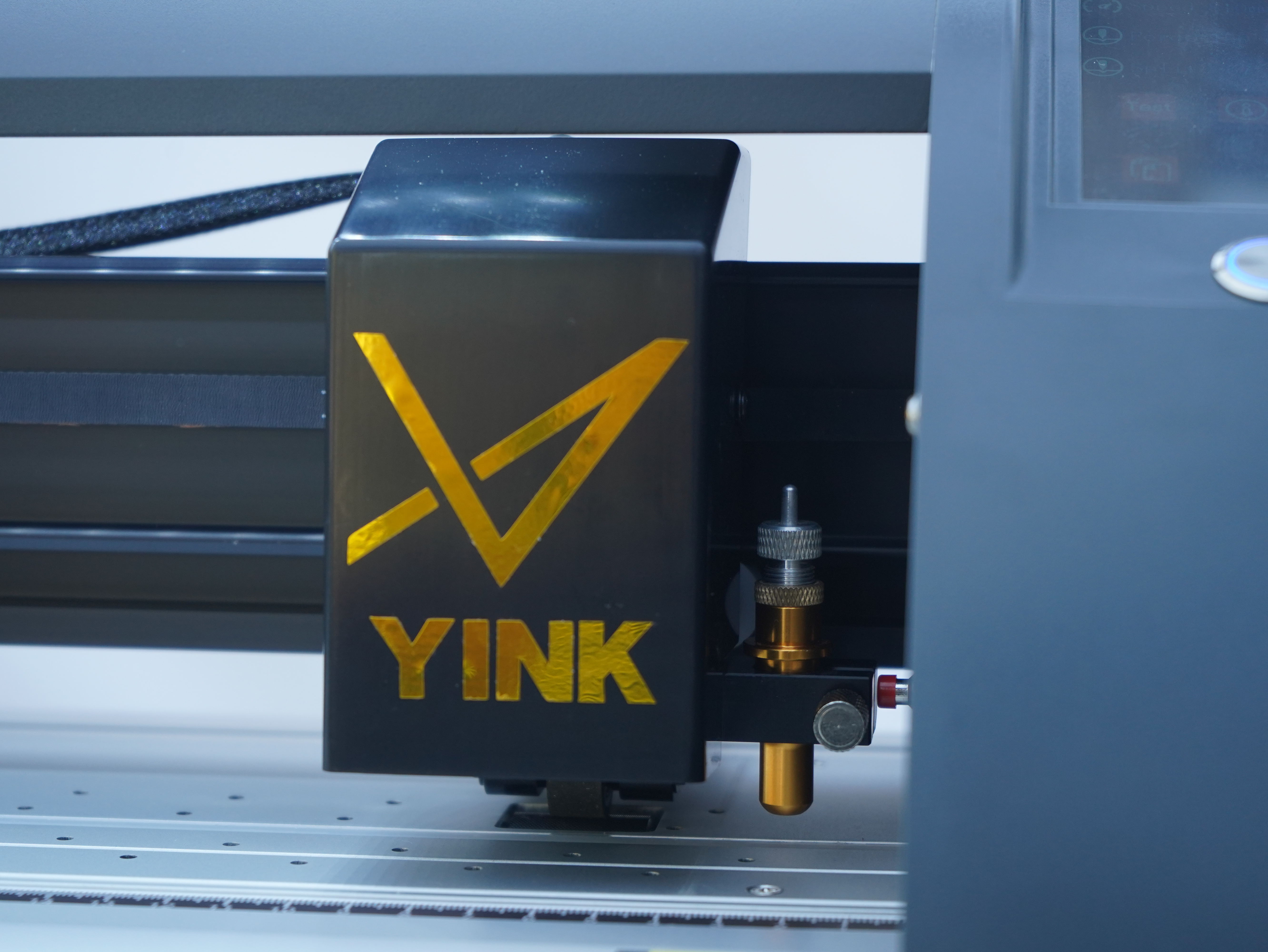
YINK is built for businesses that work with PPF, window tint, and vinyl wrap. Its value is most relevant when a shop wants to improve job consistency, reduce waste, support installers, and build a more scalable cutting workflow.
YINK provides 450,000+ verified patterns, data from 70+ countries scanned, and support for 27,000+ customers worldwide. The platform also supports open platform architecture, OEM support, Super Nesting technology, Break-point Cut-through technology, and compatibility with third-party plotters.
For a PPF shop, these advantages can support better quoting confidence, cleaner cutting, less wasted material, and a more repeatable installation process. For distributors, YINK can also support a stronger business solution for customers who need software, patterns, plotters, and workflow support. Shops that want to learn more can review the YINK FAQs or visit About YINK.
Final Takeaway for Shop Owners
A PPF business can be highly profitable, but the real margin is built in the details. A front-end package can produce around 50% gross margin when priced and managed well. A full-body job can also deliver strong profit, but only when the shop controls labor, waste, and rework.
The most profitable PPF shops are not always the ones charging the highest price. They are the ones that repeat high-quality results with less waste, faster installation, and better operational control. That is why workflow discipline matters as much as sales volume.
For shops that want to scale, YINK provides PPF cutting software and cutting machines designed to make PPF installation more efficient, consistent, and profitable. The goal is not just to cut film. The goal is to help shops protect margin on every vehicle.
FAQ
Is a PPF business profitable?
Yes, a PPF business can be profitable when the shop controls pricing, labor time, material waste, and rework. Many professional shops target strong gross margins by combining skilled installation with efficient pre-cut workflows.
What is a good profit margin for PPF installation?
A common planning range is 40% to 60% gross profit margin, depending on job type, film cost, installer labor, local pricing, and workflow efficiency. Shops with lower waste and fewer failed panels usually protect margin better.
How can PPF cutting software improve profit?
PPF cutting software can reduce manual trimming, improve pattern accuracy, lower material waste, and help installers finish jobs more consistently. This can improve both production speed and job profitability.
Why should shops consider YINK for PPF cutting?
YINK offers 450,000+ verified patterns, Super Nesting technology, Break-point Cut-through technology, open platform architecture, OEM support, and compatibility with third-party plotters. These advantages help shops build a more efficient PPF workflow.
Data Sources & References
The information in this article is based on public industry reports, official documentation, market research, and practical industry experience available at the time of writing. Referenced sources include Grand View Research, XPEL official SEC filing, YINK FAQs, and About YINK.
Profit margins, job prices, installation costs, labor costs, and material waste can vary by country, region, vehicle type, film brand, installation process, shop positioning, and local labor market. The cost examples in this article are practical planning examples and should not be treated as universal fixed prices.
Last reviewed: May 2026.
Post time: May-29-2026


