
Why EV Owners Are Driving New Demand for PPF
For many PPF shops, window tint shops, wrap shops, and detailing businesses, EV owners have become one of the most important customer groups. These customers often care about technology, appearance, resale value, driving comfort, and long-term protection. They are also more likely to research products before making a purchase.
That makes EV owners a strong fit for paint protection film.
The global EV market is still expanding. According to the International Energy Agency, electric car sales topped 17 million worldwide in 2024, rising by more than 25% compared with the previous year. The IEA also reported that more than 13 million electric cars were sold in China in 2025, with electric cars reaching almost 55% of new car sales in that market.
At the same time, paint protection film demand continues to grow. Grand View Research reports that the global paint protection film market was valued at USD 502.55 million in 2024 and is projected to reach USD 726.63 million by 2030.
For PPF shops, the opportunity is not simply that more EVs are on the road.
The real opportunity is that EV owners often have a stronger reason to protect their vehicles early, professionally, and with a higher-value service package.
Why EV Owners Are Different from Traditional Car Owners
EV owners are not all the same. A Tesla owner, a BYD owner, a Porsche Taycan owner, and a Hyundai IONIQ owner may have different budgets and expectations. However, many EV buyers share similar buying behavior.
They often compare options online before visiting a shop. They care about product quality and long-term value. They are also more likely to ask detailed questions about installation methods, warranty, film coverage, edge finish, and maintenance.
This creates a different sales environment for PPF shops.
A traditional customer may ask, “How much is front bumper PPF?”
An EV customer may ask:
→ Should I protect the full front or the full body?
→ Will PPF affect sensors, cameras, or charging ports?
→ Can you protect gloss black pillars, headlights, rocker panels, and door edges?
These questions show that EV customers often think about protection as part of the ownership experience, not just as an optional add-on.
This is why EVs can create higher-value PPF conversations when the shop knows how to explain the service clearly.
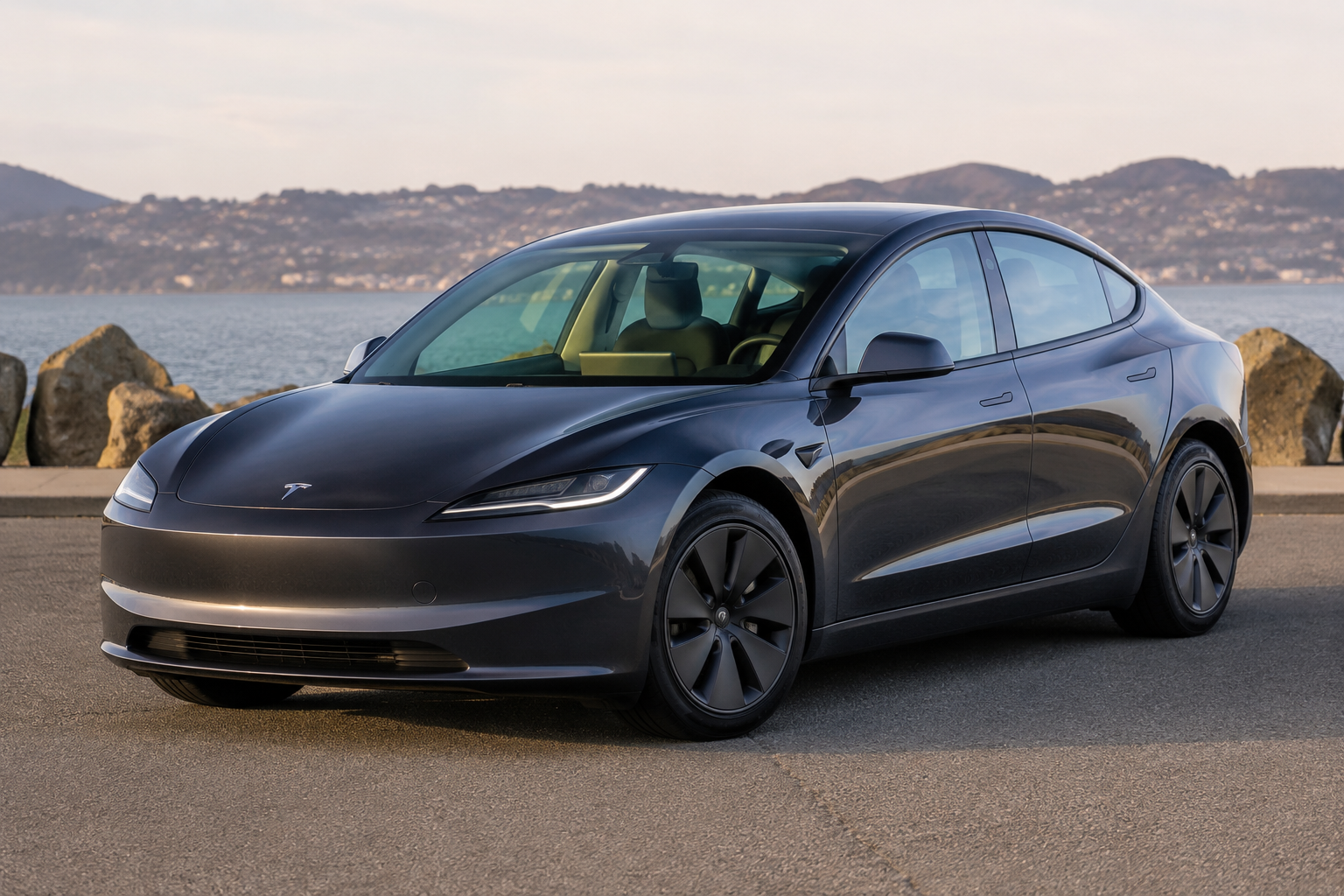
EV Design Makes Paint Protection More Important
Many EVs have smooth body lines, large painted surfaces, flush details, and minimal exterior trim. This design language looks clean and modern, but it can also make damage more visible.
Stone chips on a flat front bumper, scratches on gloss black trim, and wear around charging ports can stand out quickly. On some vehicles, large painted panels and complex curves also make repairs more noticeable and expensive.
For PPF shops, this creates a practical sales point.
EV owners are not only protecting paint. They are protecting the clean, futuristic appearance that made the vehicle attractive in the first place.
This matters especially for new EV buyers. Many customers bring an EV to a shop within the first few days or weeks of delivery. They want protection before the first long highway drive, before winter road conditions, or before daily commuting causes visible wear.
High-Impact Areas on EVs That Shops Should Focus On
Not every EV owner needs full-body PPF. Some customers only need targeted protection. The key is helping them understand where damage is most likely to happen.
For many EVs, the most important areas include:
→ Front bumper, hood, fenders, and mirrors
→ Rocker panels, lower doors, and rear wheel impact zones
→ Charging port area, door cups, gloss black trim, and trunk loading edges
These areas are easy for customers to understand because they connect directly to daily use. A customer may not understand film thickness or pattern design immediately, but they understand stone chips, scratches, scuffs, and loading marks.
The more specific the shop is, the easier it becomes for the customer to see the value of PPF.
Tesla PPF Demand Is Still a Strong Entry Point
Tesla remains one of the most common EV brands associated with PPF demand in many markets. Even as more EV brands enter the market, Tesla owners continue to search for protection solutions because the vehicles are popular, highly visible, and often purchased by customers who research aftermarket upgrades.
For shops, Tesla PPF can be an effective service category because customers often search with specific intent. They may search for Tesla Model 3 PPF, Model Y front-end PPF, Cybertruck protection, gloss black pillar protection, or full-body PPF for Tesla.
This creates SEO value and sales value.
A general page about “paint protection film” may attract broad traffic. A focused article or landing page about “PPF for electric cars” or “Tesla PPF package options” can attract customers who are closer to booking a service.
However, shops should avoid building the entire EV strategy around only one brand.
Tesla can be the entry point, but the bigger opportunity is building PPF packages for EV owners across multiple brands.
EV Owners Often Care About Resale Value
Many EV owners pay close attention to resale value. Battery health, mileage, software features, accident history, interior condition, and exterior paint condition can all influence how a used EV is perceived.
Paint damage may not be the largest factor in resale value, but it can affect first impression. A clean exterior helps the vehicle look well maintained. Stone chips, scratches, and worn high-contact areas can make a relatively new EV feel older than it is.
This is where PPF becomes easier to explain.
PPF is not only about avoiding repair costs. It is also about keeping the vehicle looking newer for longer.
For EV owners who plan to sell or trade in the vehicle within a few years, paint protection can be positioned as ownership value protection.
This does not mean shops should overpromise resale gains. Instead, they should explain the practical benefit: PPF can help reduce visible wear in high-impact areas, making the vehicle easier to maintain and more presentable over time.
EV Customers Are More Likely to Buy Packages
EV owners often respond well to structured service packages because they are already used to comparing trims, options, software features, charging plans, and accessory upgrades.
A PPF shop can use this behavior to build clear package options instead of quoting every panel separately.
A simple EV PPF menu may include three levels.
→ Essential EV Protection: front bumper, mirrors, door cups, and charging port area
→ Daily Driver EV Protection: full front, rocker panels, lower doors, and trunk loading edge
→ Premium EV Protection: full-body PPF with optional window tint and ceramic coating
This structure makes the buying decision easier. It also helps the shop avoid competing only on price.
When the package is clear, the customer is comparing value instead of only comparing square footage.
Window Tint and PPF Work Well Together for EVs
Many EV owners also care about cabin comfort. Large glass roofs, panoramic windshields, and modern cabin designs can make heat control and UV protection part of the ownership conversation.
This creates an opportunity for shops that offer both PPF and window tint.
A customer may first ask about PPF for the front bumper. During the consultation, the shop can also explain how window tint can improve comfort, reduce heat exposure, and create a more complete vehicle protection package.
This does not mean every PPF customer should be pushed into tint. The better approach is to connect the recommendation to the customer’s actual use case.
For example, an EV owner who parks outdoors, drives in hot climates, or has a panoramic roof may be a stronger candidate for a PPF and tint package.
The best upsell is not aggressive. It is relevant.
Colored PPF Can Appeal to EV Owners
Many EV customers like modern styling. This is one reason colored PPF can be attractive for EVs.
Some owners want a different appearance from factory colors. Others want a satin, matte, metallic, or color-shifting finish. Colored PPF gives them a way to change the look of the vehicle while still adding paint protection value.
For shops, colored PPF can create a higher-ticket service, but it also requires stronger installation control.
EV panels often have smooth surfaces and visible body lines, which can make finish consistency important. A poor edge, uneven stretch, or visible installation mark can stand out.
Colored PPF should be positioned as a premium EV customization and protection service, not as a cheap alternative to vinyl wrap.
Shops that already install clear PPF well may be better prepared to introduce colored PPF carefully. Wrap shops can also enter this category, but they should treat it as a premium protection film service rather than just another color-change material.
EV Repairs Can Make Prevention More Attractive
Body repair on modern EVs can be complex because of sensors, cameras, calibration requirements, special materials, and manufacturer repair procedures. The cost and time involved can vary widely depending on brand, region, parts availability, and damage location.
This makes prevention easier to discuss.
PPF will not prevent every type of damage. It will not stop dents, collisions, or severe impact. However, it can help reduce visible damage from common road debris, light scratches, and daily use in covered areas.
This is a practical message that customers understand.
PPF should not be sold as magic armor. It should be sold as a protective layer that reduces common paint damage risk.
That honest explanation builds trust and reduces future disputes.
Why Pattern Accuracy Matters More on EVs
Many EVs have unique design details. Smooth bumpers, flush handles, cameras, sensors, charging ports, trim pieces, and complex headlight shapes can all affect PPF installation.
This makes pattern accuracy important.
If the pattern is too short, coverage may look poor. If it is too aggressive, installation may become difficult or create edge tension. If the installer trims too much by hand on the vehicle, the risk of paint damage increases.
Digital pattern software helps shops prepare more efficiently before installation. A good workflow allows the shop to select the correct vehicle, adjust coverage when needed, plan edge expansion, and reduce material waste.
This is especially important for EVs because customers often expect a clean, high-tech result.
A modern EV should not receive an outdated installation workflow.
How YINK Supports EV PPF Workflows
For shops serving EV owners, digital workflow can directly affect speed, consistency, and profit.
YINK PPF cutting software helps shops prepare vehicle patterns, adjust layouts, and improve material planning before installation. For EV projects, this can be valuable when shops need to handle new vehicle designs, complex panels, and high customer expectations.
YINK’s Super Nesting function can also help shops plan film usage more efficiently. This is especially useful for full-front, full-body, and colored PPF jobs where material waste can quickly affect profit.
For shops that offer more than one film service, plotter choice also matters. YINK multi-material plotters can support PPF, tint, and vinyl applications, helping shops build packages around EV protection, comfort, and customization.
For EV-focused PPF services, cutting accuracy is not just a production detail. It is part of the customer experience.
How PPF Shops Should Sell to EV Owners
EV owners often want information before they buy. A rushed quote may not be enough. Shops should prepare a clear sales process that explains protection areas, coverage options, film benefits, expected maintenance, and installation limitations.
A strong EV PPF consultation should answer four questions.
→ What areas are most likely to be damaged?
→ Which package best fits the customer’s driving habits?
→ What will the finished edge and coverage look like?
→ How should the customer maintain the film after installation?
This type of conversation builds confidence. It also helps the shop justify higher-value packages.
Many EV customers are willing to pay for quality, but they need to understand what quality means. That includes pattern fit, clean installation, proper film handling, aftercare, and realistic expectations.
The shop that educates better will often sell better.
Local SEO Opportunities for EV PPF
EV-related PPF content can also help shops attract better search traffic. Many customers search by vehicle type, brand, and service location.
Instead of only writing a general PPF page, shops can build content around EV-specific search intent.
Examples include Tesla PPF packages, EV paint protection film, best PPF for electric cars, Model Y full front PPF, colored PPF for EVs, and PPF for new electric vehicles.
This type of content helps customers find the shop when they are already thinking about protection. It also positions the business as more specialized.
For YINK website content, EV PPF topics are useful because they connect real customer demand with practical shop operations: software, patterns, plotters, installation workflow, and material savings.
Common Mistakes Shops Should Avoid with EV PPF
Mistake 1: Treating EVs Like Any Other Vehicle
EVs may require different customer communication, coverage planning, and attention to design details. A standard quote may not answer the questions EV owners actually care about.
Mistake 2: Ignoring Sensors, Cameras, and Charging Areas
Shops should understand the vehicle layout before installation. Customers may be concerned about cameras, sensors, charging ports, and trim areas. Clear explanation helps reduce uncertainty.
Mistake 3: Selling Only the Cheapest Package
Some EV owners want basic protection, but many are open to premium packages when the value is clear. If the shop only sells the cheapest option, it may miss higher-margin opportunities.
Mistake 4: Overpromising Protection
PPF can reduce common paint damage risk, but it cannot prevent every type of damage. Honest communication is better for long-term trust.
Mistake 5: Using Poor Patterns on High-Expectation Customers
EV customers often expect a clean, precise result. Poor fitment, visible edges, and unnecessary hand trimming can damage the shop’s reputation.
EV owners can become strong repeat customers, but they can also be highly detail-oriented reviewers.
Final Recommendation: How Shops Should Approach EV PPF Demand
EV owners are creating new demand for PPF because their vehicles are valuable, modern, highly visible, and often purchased by customers who care about long-term condition.
For shops, the opportunity is not only installing more film. The opportunity is building better service packages around EV ownership.
PPF shops should position EV paint protection as a practical, premium, and highly relevant service.
Clear PPF can protect high-impact areas. Full-front PPF can support daily drivers and highway commuters. Full-body PPF can serve premium EV owners. Colored PPF can appeal to customers who want both style and protection. Window tint and ceramic coating can turn a single PPF job into a complete EV protection package.
The shops that benefit most will not simply say, “We install PPF.”
They will explain where EVs are vulnerable, which package fits the customer, how digital cutting improves precision, and how a professional workflow reduces risk.
As EV adoption grows, PPF shops that understand EV owners will be better positioned to increase ticket value, reduce price pressure, and build long-term customer trust.
FAQ
Is PPF worth it for electric vehicles?
Yes, PPF can be worth it for many EV owners, especially those who drive frequently, own a new vehicle, or want to reduce visible paint damage in high-impact areas. The best package depends on driving habits, budget, and how long the customer plans to keep the vehicle.
What areas of an EV should be protected with PPF first?
The most common areas are the front bumper, hood, fenders, mirrors, rocker panels, lower doors, charging port area, door cups, and trunk loading edge. These areas are more likely to receive stone chips, scratches, scuffs, and daily-use wear.
Do EV owners need full-body PPF?
Not always. Full-body PPF is best for premium EV owners who want maximum paint protection or a long-term clean finish. Many daily drivers can start with full-front PPF and add rocker panels, door edges, or trunk protection based on use.
Can PPF affect EV sensors or cameras?
Professional installation should avoid blocking or interfering with sensors, cameras, and important vehicle functions. Shops should understand the vehicle layout and use proper patterns and installation procedures.
Why should EV shops use PPF cutting software?
PPF cutting software helps shops prepare patterns, reduce risky hand trimming, improve consistency, and manage material usage. For EVs with complex panels, cameras, sensors, and high customer expectations, a reliable digital workflow can improve both efficiency and final results.
References
The information in this article is based on public industry reports, official documentation, market research, and practical automotive film industry experience available at the time of writing.
References:
→ International Energy Agency. “Global EV Outlook 2025: Trends in Electric Car Markets.”
https://www.iea.org/reports/global-ev-outlook-2025/trends-in-electric-car-markets-2
→ Grand View Research. “Paint Protection Film Market Size, Share & Trends Analysis Report.”
https://www.grandviewresearch.com/industry-analysis/paint-protection-film-market
→ Fortune Business Insights. “Automotive Wraps Films Market Size, Share & Industry Analysis.”
https://www.fortunebusinessinsights.com/automotive-wraps-films-market-111279
→ SEMA. “Automotive Aftermarket Industry Resources.”
→ IWFA. “Window Film Industry Resources.”
→ Official film manufacturer documentation and regional vehicle regulations.
Data may vary by region, vehicle type, installation process, film brand, supplier availability, and market conditions.
Last reviewed: June 2026
Post time: Jun-11-2026


