
How Successful PPF Shops Reduce Installation Time Without Hiring More Technicians
As more consumers invest in premium vehicles, electric vehicles, and long-term paint protection solutions, the demand for PPF continues to grow.
One of the key factors driving this change is the rapid expansion of the global electric vehicle market.
Based on current automotive market trends across major regions, the number of newly launched or officially unveiled battery electric vehicle models worldwide in 2026 is expected to exceed 150–250 models, with China contributing the largest share of new vehicle releases.
Some markets are already demonstrating the pressure that rapid new vehicle introductions are creating for the PPF industry.
For example, the Indian automotive market alone is expected to introduce approximately 13 new electric vehicle models within a single month in July 2026. This rapid expansion is increasing the demand for PPF businesses to improve:
→ New vehicle data collection
→ New pattern development
→ Faster vehicle template availability
→ Technician adaptation to new vehicle designs
At the same time, customers are demanding faster installation turnaround times and factory-level installation quality.
Why Installation Speed Has Become a Major Challenge for PPF Shops
The PPF industry has changed significantly.
Ten years ago, many shops focused mainly on installation technique. Experienced installers could compensate for imperfect measurements, adjust film manually, and solve problems during installation.
Today, vehicles are much more complicated.
Modern vehicles include:
→ More aggressive body curves
→ Advanced driver-assistance sensors
→ Complex bumpers and trim designs
→ Larger surface areas
→ More electric vehicle models
→ More variations between vehicle versions
These changes create additional challenges for installers.
A job that once required simple panel coverage may now involve:
→ Sensor clearance considerations
→ Complex edge wrapping
→ Additional pattern adjustments
→ More detailed preparation work
As vehicle complexity increases, installation time can increase even when technician skill remains the same.
This is why professional PPF shops are focusing more on workflow optimization.
The question is no longer:
“Can our technicians install PPF?”
The better question is:
“How can our technicians complete more high-quality installations within the same working hours?”
The Hidden Reasons Why PPF Jobs Take Too Long
Many shop owners assume slow production comes from technician speed.
However, installation delays often happen before the installer even touches the vehicle.
Small inefficiencies throughout the workflow accumulate into significant time losses.
Poor Vehicle Data Preparation
Every successful PPF installation begins with accurate vehicle information.
Before cutting film, the shop needs to confirm:
→ Vehicle brand and model
→ Model year
→ Trim level
→ Exterior configuration
→ Special features
→ Correct pattern selection
When vehicle information is incorrect, technicians may spend additional time checking dimensions, modifying patterns, or adjusting film during installation.
These delays are especially common with:
→ Newly released vehicles
→ Electric vehicles
→ Luxury models
→ Regional vehicle variations
Accurate vehicle data reduces uncertainty before the installation begins.
This is why modern shops increasingly rely on digital vehicle databases instead of depending only on manual experience.
A strong data foundation also connects with
how 3D scanning helps PPF shops create new vehicle patterns
,
because accurate digital information is the foundation of efficient production.
Incorrect Patterns and Installation Rework
Pattern accuracy directly affects installation time.
A pattern that does not fit correctly creates additional work:
→ Repositioning film
→ Adjusting edges
→ Stretching material
→ Recutting panels
→ Performing additional finishing
A few extra minutes on one panel may not seem serious.
But across a full vehicle installation, small problems quickly become major labor costs.
A problem repeated across:
→ Hood
→ Front bumper
→ Fender
→ Mirror
→ Doors
→ Rear sections
can add hours of unnecessary labor.
Rework is one of the most expensive forms of wasted time because it consumes both material and technician capacity.
Too Much Manual Cutting and Adjustment
Bulk installation still has value, especially for experienced technicians working on unique projects.
However, relying heavily on manual cutting creates challenges for growing businesses.
Manual workflows often require:
→ Additional measuring time
→ More installer judgment
→ More correction during installation
→ Higher risk of inconsistent results
This creates a scaling problem.
A business may have one highly experienced installer who can complete difficult jobs quickly, while newer technicians struggle to achieve the same consistency.
Digital workflows help reduce this dependency by creating more repeatable processes.
Unorganized Shop Workflow
Another common reason for slow installation is poor workflow organization.
Many shops focus heavily on installation technique but overlook operational details.
Examples include:
→ Waiting for vehicles to be cleaned
→ Searching for correct patterns
→ Preparing materials too late
→ Poor job scheduling coordination
→ Lack of communication between team members
These problems may not appear as installation mistakes.
However, they reduce daily productivity.
Efficient PPF shops treat workflow management as seriously as installation quality.
5 Ways Professional PPF Shops Improve Productivity
Successful shops usually do not rely on one single improvement.
Instead, they optimize multiple small areas that create a significant combined effect.
Use Verified Vehicle Patterns
One of the biggest productivity improvements comes from reducing uncertainty before installation begins.
When technicians work with reliable patterns, they can spend more time installing and less time correcting.
A verified pattern helps improve:
→ Cutting preparation
→ Installation confidence
→ Edge consistency
→ Material usage
→ Final appearance
For shops handling many vehicle models, pattern reliability becomes a major operational advantage.
This is why professional installers continue to focus on
pattern accuracy in PPF installation
as an important part of productivity improvement.
Standardize Installation Steps
Many successful PPF businesses create repeatable installation procedures.
Instead of allowing every technician to complete jobs differently, they establish consistent processes.
A standardized workflow may include:
→ Vehicle inspection
→ Surface preparation
→ Pattern confirmation
→ Film cutting
→ Installation sequence
→ Final inspection
The goal is not to remove technician skill.
The goal is to allow technician skill to produce consistent results every time.
Standardization becomes especially important when shops grow and add new employees.
Without a repeatable process, quality can vary between technicians.
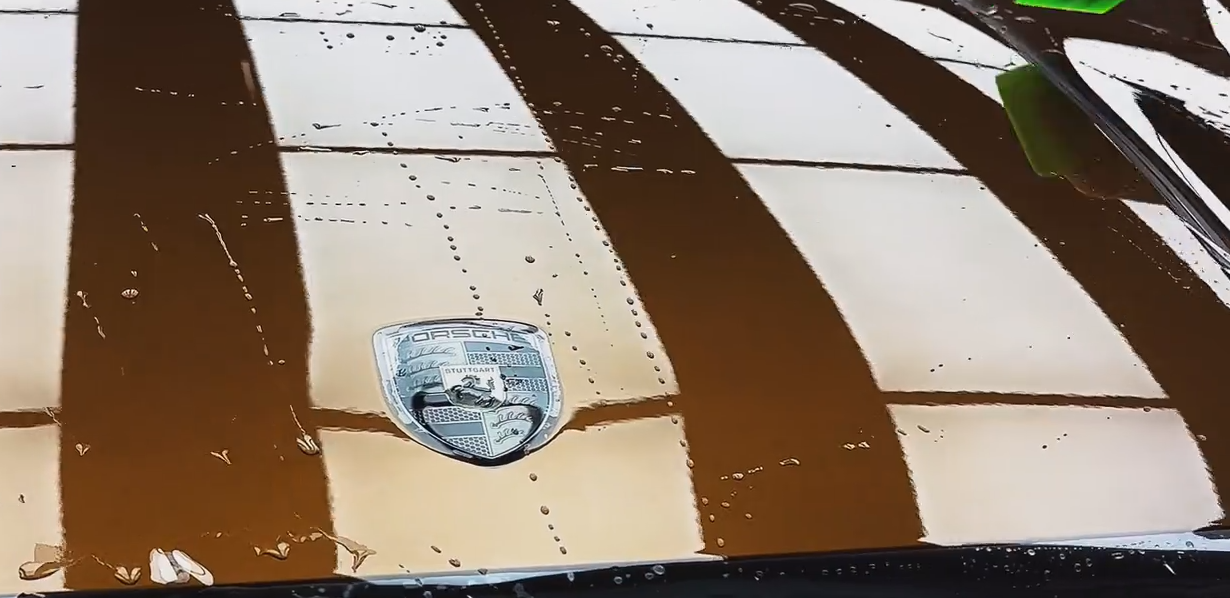
Improve Material Preparation
Material preparation is another area where shops lose valuable time.
A technician should not spend installation hours searching for film, checking patterns, or preparing tools.
Professional workflows prepare everything before installation begins.
This includes:
→ Confirmed vehicle information
→ Correct pattern files
→ Required film quantity
→ Installation tools
→ Workspace preparation
Small preparation improvements create significant time savings over hundreds of vehicles.
Reduce Waiting Time Between Processes
Many PPF shops measure installation time but ignore waiting time.
However, total job completion time includes everything from vehicle arrival to final delivery.
Improving productivity requires reducing delays between each stage.
Examples include:
→ Vehicle preparation before installation
→ Pattern selection before cutting
→ Material preparation before technician arrival
→ Quality inspection before customer pickup
A smoother process allows technicians to maintain productivity throughout the day.
Train Technicians Using Digital Workflows
Modern PPF training is changing.
Experience remains important, but digital tools allow technicians to learn faster and work more consistently.
New technicians can benefit from:
→ Standardized patterns
→ Digital measurement references
→ Repeatable workflows
→ Clear installation procedures
This reduces the learning curve and helps businesses develop stronger teams.
The goal of technology is not to replace installers. It is to help installers perform at a higher level.
How Digital Tools Change PPF Shop Productivity
The most successful PPF shops are not necessarily the ones with the largest teams.
They are often the businesses that build the most efficient systems.
A modern installation workflow connects multiple stages:
→ Vehicle information
→ Pattern selection
→ Film preparation
→ Cutting process
→ Installation
→ Quality inspection
When each stage works independently, delays appear.
When each stage is connected, productivity improves.
Digital tools help shops create a more predictable workflow by reducing uncertainty before installation begins.
Instead of solving problems during installation, professional shops aim to prevent problems before they happen.
The biggest productivity improvements often come from reducing unnecessary decisions, not from making technicians work faster.
Why Hiring More Technicians Is Not Always the Best Solution
When a PPF business becomes busy, hiring another installer seems like the natural next step.
However, adding employees also introduces new costs and challenges.
A new technician requires:
→ Recruitment time
→ Training resources
→ Additional management
→ More workspace capacity
→ More quality control
If the existing workflow is inefficient, adding another person may only increase operational complexity.
For example, a shop with poor pattern management may have multiple technicians spending extra time correcting installation problems.
Adding another technician does not solve the original issue.
The business still loses time because the process itself is inefficient.
Successful shop owners usually improve their workflow first, then decide whether additional staff are necessary.
How Better Workflows Improve Profitability
Installation speed directly affects profitability.
A PPF shop does not only make money from the price of each job.
Profit is also determined by:
→ Labor efficiency
→ Material usage
→ Daily vehicle capacity
→ Rework percentage
→ Customer satisfaction
A shop completing more vehicles with the same team can increase revenue without increasing fixed costs at the same rate.
Small improvements repeated every day create meaningful business results.
Efficiency is not about rushing jobs. It is about removing wasted time while protecting installation quality.
The Role of Data in Future PPF Shop Growth
The future of PPF businesses will become increasingly data-driven.
As vehicle designs become more complex, traditional experience alone becomes harder to scale.
A technician may know how to install a specific vehicle today.
But a growing business needs systems that allow every technician to achieve consistent results.
This is where vehicle data becomes valuable.
Accurate vehicle information supports:
→ Faster preparation
→ Better pattern selection
→ More predictable installation
→ Easier technician training
→ More consistent quality
For businesses planning long-term growth, building a reliable digital foundation is becoming essential.
This is also why many shops are paying closer attention to
vehicle data as a competitive advantage
.
How YINK Helps Shops Build More Efficient Workflows
For modern PPF businesses, improving efficiency requires more than simply adding software.
The complete workflow needs reliable vehicle data, practical pattern development, and systems that support real installation conditions.
YINK focuses on helping automotive film businesses build a more connected digital workflow.
With experience supporting global customers, YINK has developed solutions around the real operational challenges faced by professional film shops.
More information about YINK's company background and global development can be found on the
YINK About Us page
.
The platform supports:
→ Verified vehicle pattern data
→ Vehicle information management
→ Pattern preparation workflows
→ Efficient material planning
→ Flexible workflow integration
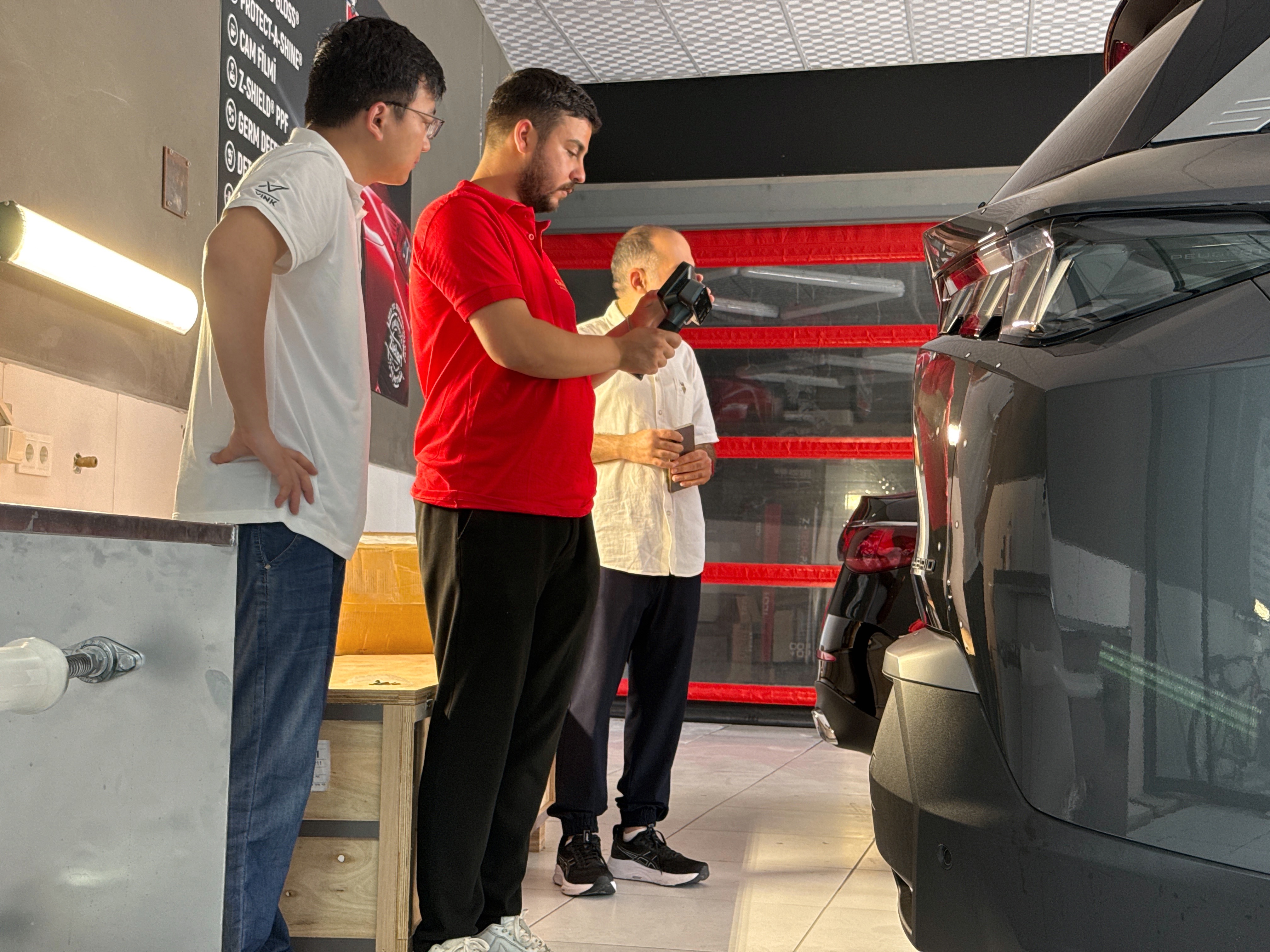
With more than 450,000 verified patterns and vehicle data collected across more than 70 countries, YINK is designed around international automotive film business requirements.
The goal is not only to provide digital patterns.
The goal is to help shops reduce uncertainty throughout the installation process.
Professional businesses need confidence that the selected pattern matches the vehicle, the cutting process is efficient, and technicians can deliver consistent results.
For teams adopting new digital workflows, technical assistance and service resources are also an important part of long-term success. Shops can learn more through the
YINK Support resources
.
The value of digital tools is measured by how much unnecessary work they remove from daily operations.
The Future of PPF Shop Productivity
The next generation of PPF businesses will continue moving toward smarter workflows.
AI-Assisted Workflow Optimization
Artificial intelligence may help businesses analyze installation processes, identify inefficiencies, and improve decision-making.
Future systems may assist with:
→ Pattern recommendations
→ Workflow analysis
→ Quality verification
→ Production planning
However, human expertise will remain essential.
More Connected Vehicle Data Systems
As vehicles become more advanced, vehicle data will become increasingly important.
Future workflows may connect:
→ Vehicle scanning
→ Pattern databases
→ Cutting systems
→ Installation feedback
This creates a continuous improvement cycle.
Higher Customer Expectations
Customers are becoming more informed.
They compare:
→ Installation quality
→ Delivery time
→ Shop professionalism
→ Final appearance
A business that delivers consistent results faster will have a stronger competitive advantage.
Final Thoughts
Increasing PPF shop capacity does not always require hiring more technicians.
In many cases, the first step is improving the workflow that already exists.
Professional businesses reduce installation time by:
→ Using accurate vehicle information
→ Improving pattern reliability
→ Standardizing installation procedures
→ Reducing material waste
→ Creating repeatable digital processes
The most successful PPF shops understand that growth comes from efficiency, not simply from working longer hours.
The future of PPF business growth belongs to shops that combine skilled technicians with smarter workflows.
As vehicles become more complex and customer expectations continue to increase, businesses that invest in better processes will be better positioned to scale.
FAQ
How can a PPF shop reduce installation time?
A PPF shop can reduce installation time by improving vehicle data preparation, using accurate patterns, standardizing workflows, reducing rework, and optimizing material preparation before installation begins.
Should a growing PPF shop hire more technicians?
Not always. Before hiring, businesses should evaluate whether workflow inefficiencies are limiting production. Improving processes may increase capacity without increasing labor costs.
How does pattern accuracy affect PPF productivity?
Accurate patterns reduce adjustments, failed cuts, installation delays, and material waste. This allows technicians to focus more on installation and less on correction.
Can digital tools replace experienced PPF installers?
No. Digital tools support installers by improving efficiency and consistency. Professional experience remains essential for handling installation challenges and achieving high-quality results.
Why is workflow optimization important for PPF businesses?
Workflow optimization helps shops increase vehicle capacity, reduce operating costs, improve customer satisfaction, and create a scalable business model.
References
The information in this article is based on public industry reports, automotive aftermarket research, official documentation, and practical paint protection film industry experience available at the time of writing.
References:
→ Grand View Research. “Paint Protection Film Market Size & Share Report.”
https://www.grandviewresearch.com/industry-analysis/paint-protection-film-market
→ SEMA. “Automotive Aftermarket Industry Resources.”
https://www.sema.org/
→ International Energy Agency. “Global EV Outlook.”
https://www.iea.org/reports/global-ev-outlook
→ IWFA. “Window Film Industry Resources.”
https://iwfa.com/
→ Automotive manufacturer technical documentation and professional PPF installation workflow research.
Data may vary by region, vehicle type, installation method, material brand, and business operating model.
Last reviewed: July 2026
Post time: Jul-24-2026


